February 19, 2026
A well-functioning plumbing system is a cornerstone of any home, and selecting the right pipe materials plays a crucial role in both performance and longevity. The choice of pipes affects durability, maintenance requirements, installation costs, and suitability for specific applications. Homeowners today face a wide array of options, from traditional materials like copper and galvanized steel to modern alternatives such as PVC and PEX. Understanding the strengths, limitations, and proper uses of each type is essential for creating a reliable plumbing system that will serve your home for decades.
According to This Old House, while galvanized iron or steel pipes were once standard in early 20th-century homes, today's systems there are more commonly used materials like copper, polyvinyl chloride (PVC), and cross-linked polyethylene (PEX). This shift reflects technological advancements, improved water safety standards, and evolving homeowner preferences. Whether renovating an older house or installing a new system, knowledge of pipe materials helps homeowners make informed decisions, purchase the right local plumbing parts, and plan for efficient installation and long-term maintenance.
Copper Pipes
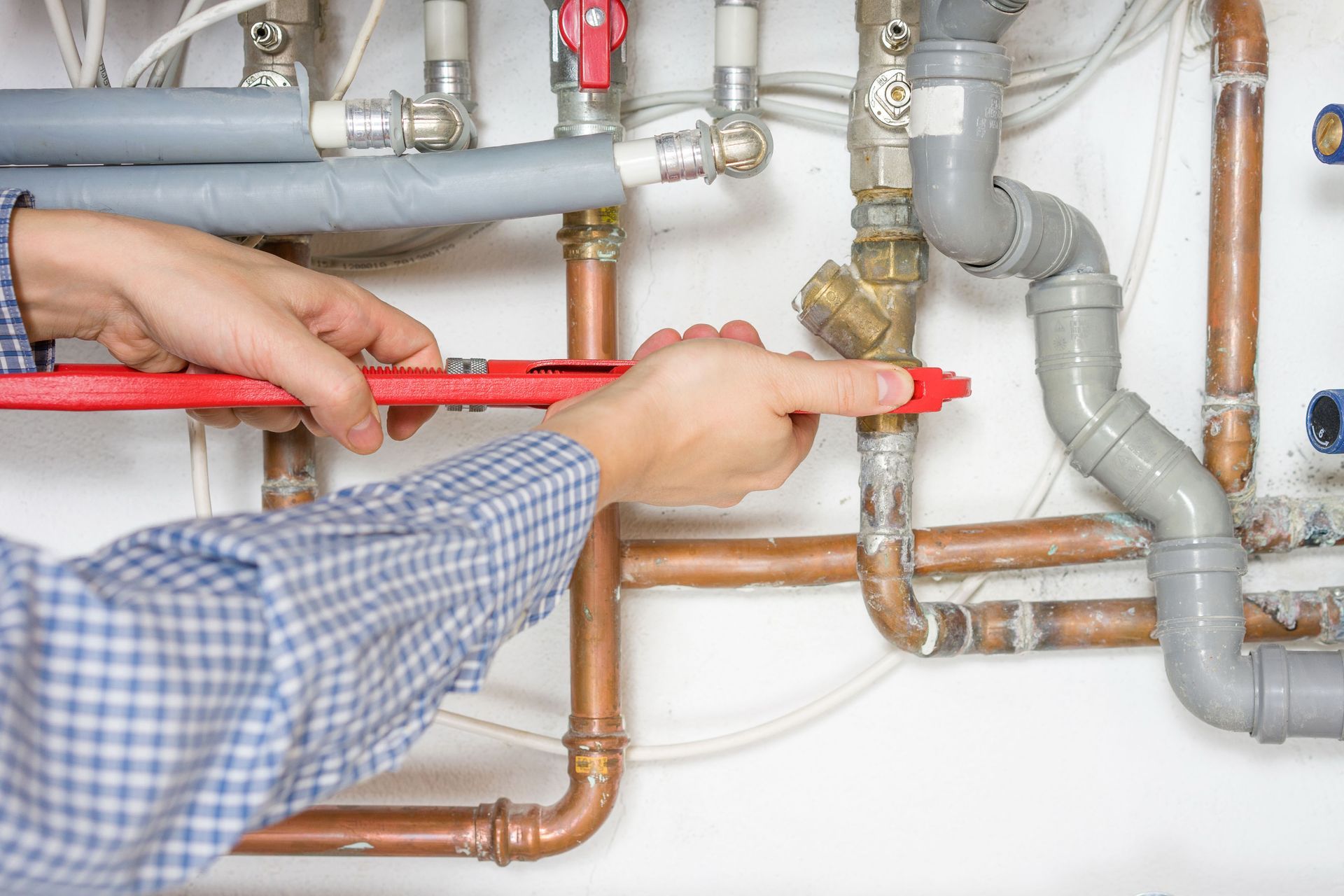
Copper has long been a favorite in plumbing due to its reliability and versatility. Historically, copper replaced lead pipes, offering a safer, more durable option for both hot and cold water distribution. Its natural corrosion resistance, antimicrobial properties, and ability to handle high temperatures make copper ideal for a variety of residential applications. In addition, copper is recyclable, which appeals to environmentally conscious homeowners.
Copper's longevity is one of its most compelling benefits, with a typical lifespan exceeding 50 years when properly installed. It can withstand extreme temperatures and pressure fluctuations, making it suitable for water, heating, and even gas lines. Copper is fire-resistant, ultraviolet-resistant, and compatible with most plumbing fixtures, enhancing both safety and flexibility. The material also preserves water quality, as it does not impart taste or odor. Homeowners who prioritize durability and long-term reliability often choose copper, despite its higher upfront cost.
However, copper is not without drawbacks. It is more expensive than alternatives like PVC or PEX, and installation requires skilled labor for soldering connections, which can add to overall costs. Copper may also be susceptible to pinhole leaks in areas with highly acidic water. Additionally, copper's thermal conductivity can result in heat loss along hot water lines unless properly insulated. In cold climates, freezing temperatures may cause copper pipes to burst, and their weight can make installation in retrofit projects more challenging. Nevertheless, for projects that value reliability and longevity, copper remains a top choice.
Copper pipes are commonly used in residential water distribution, heating systems, and fire sprinkler installations. They are also a preferred material in gas lines and medical gas distribution. When renovating older homes, copper often matches existing systems, ensuring consistency and ease of integration. Proper installation and regular maintenance—such as inspecting joints and insulating exposed sections—can extend the life of copper plumbing and minimize costly repairs. Homeowners sourcing copper should consider working with reputable suppliers to secure high-quality local plumbing parts that meet performance standards.
PVC Pipes
Polyvinyl chloride (PVC) has become a mainstay in modern plumbing due to its affordability, lightweight nature, and corrosion resistance. PVC pipes are composed of vinyl chloride monomers, forming a durable plastic that resists chemical reactions and environmental stressors. Its lightweight design makes installation straightforward, while its chemical inertness confirms safe use for potable water when properly certified. PVC also resists bacterial growth, enhancing water quality in residential plumbing systems.
PVC is especially effective for drainage, sewer, and irrigation systems. Its resistance to corrosion, root intrusion, and chemical exposure allows it to maintain performance over decades with minimal maintenance. In outdoor applications, PVC can be protected against UV degradation through coatings or proper burial. For hot water systems, chlorinated PVC (CPVC) is available, offering higher temperature tolerance. The flexibility of PVC makes it easier to adapt to complex layouts, and its compatibility with a wide range of fittings reduces installation complexity. Homeowners can efficiently source local plumbing parts for PVC systems, ensuring they have the right components for repairs or expansions.
Despite its many benefits, PVC has limitations. Standard PVC is not suitable for hot water distribution unless formulated as CPVC. Exposure to extreme cold can make it brittle, increasing the risk of cracks. PVC production has environmental considerations, as the manufacturing process generates chlorine byproducts, and not all recycling programs accept PVC.
PEX Pipes
Cross-linked polyethylene (PEX) is a flexible and durable plumbing material that has rapidly gained popularity. Manufactured through chemical or irradiation processes, PEX gains enhanced strength and temperature resistance, making it suitable for modern residential plumbing systems. Its lightweight design and bendable nature allow installers to navigate around obstacles without numerous fittings, reducing leak risks and installation time.
PEX is resistant to scale, chlorine, and corrosion, and it performs well in both hot and cold water applications. Its flexibility also allows it to withstand freezing conditions better than rigid materials, as it can expand slightly under pressure. PEX is energy efficient, retaining heat in hot water lines and reducing overall energy use. Installation methods, including push-fit and crimp systems, simplify the process for both DIY homeowners and professional contractors. For these reasons, PEX has become a preferred option for retrofitting older homes or installing new plumbing systems.
Galvanized and Cast Iron Pipes
Galvanized steel and cast iron pipes were standard in early 20th-century homes, valued for their strength and longevity. Galvanized steel offered resistance to physical damage, while cast iron was ideal for drainage and sewage systems due to its durability and noise-dampening qualities. However, both materials are prone to corrosion over time, which can lead to leaks, reduced water flow, and the need for replacement. This has led many homeowners to transition to copper, PVC, or PEX systems, which provide longer-lasting, low-maintenance solutions.
Today, galvanized and cast iron pipes are mostly seen in older homes or specific applications where their strength is advantageous. Renovation projects often require careful integration with modern materials, necessitating compatible fittings and local plumbing parts to confirm safety and functionality. Understanding the history and limitations of these materials helps homeowners make informed decisions about repairs, retrofits, and full replacements.
The Right Pipe Material for Your Home
Choosing the right pipe material involves evaluating several factors, including budget, longevity, environmental impact, and compatibility with existing plumbing systems. Copper provides durability and antimicrobial properties but comes at a higher cost. PVC offers affordability, corrosion resistance, and versatility, but is limited in hot water and UV-exposed applications. PEX combines flexibility, energy efficiency, and ease of installation, though it requires protection from sunlight. Galvanized and cast iron provide historical strength but face corrosion challenges.
Understanding the properties, advantages, and limitations of each pipe material is essential for designing a functional, long-lasting plumbing system. Copper, PVC, PEX, galvanized steel, and cast iron each have unique applications, and selecting the right material depends on your home's age, water quality, budget, and maintenance preferences. Equipping yourself with knowledge and sourcing quality local plumbing parts can simplify installations, repairs, and renovations, ensuring that your plumbing system operates smoothly for years to come.
Whether upgrading an older home or building new, investing in the right materials and components can save both time and money over the long term. For guidance on selecting pipe materials, installation techniques, or sourcing high-quality
local plumbing parts, contact Larry's Plumbing Supply today.