April 13, 2026
When it comes to choosing the right water heater for your home, energy efficiency is often one of the most important factors homeowners consider—and for good reason. With rising utility costs and increased awareness of environmental impact, selecting a system from a local plumbing supply store that minimizes energy waste while still delivering reliable performance has never been more relevant. Traditional tank water heaters have long been the standard, providing stored hot water ready for use at any time. However, newer tankless systems are changing the conversation by offering an on-demand approach that aligns more closely with modern energy-saving goals.
Understanding the differences between these systems goes beyond just how they heat water. It involves evaluating how energy is consumed, how installation impacts your home, and how long-term costs compare over time. Tankless water heaters are often praised for their ability to eliminate standby heat loss, making them an appealing option for those seeking efficiency and sustainability. Meanwhile, tank systems still hold value for their affordability and ability to handle high-demand situations without the need for multiple units.
Energy Efficiency
Tankless water heaters, often referred to as on-demand water heaters, are renowned for their energy efficiency. Unlike traditional tanked systems, which constantly heat stored water, tankless models only heat water as it is needed. This on-demand mechanism reduces energy consumption significantly, as no energy is wasted maintaining the temperature of water that is not being used. The efficiency of tankless systems is often measured by their energy factor (EF), with tankless models typically having higher EF ratings than tank models. Because they do not suffer from standby heat loss, tankless water heaters are often seen as the greener choice for eco-conscious consumers.
The comparison between tankless and tanked water heaters in terms of energy use is stark. Traditional tanked water heaters, from a local plumbing supply store, store large volumes of water, often in capacities up to 120 gallons, which constantly require energy to maintain the water temperature, leading to significant energy losses through what is known as standby heat loss. On the other hand, tankless water heaters only activate when hot water is needed, potentially reducing energy consumption by 24% to 34% for households that use 41 gallons or less of hot water daily, according to the U.S. Department of Energy. Despite their energy efficiency, tankless models may struggle to supply enough hot water for simultaneous uses in larger households unless multiple units are installed.
Over time, the efficiency of tankless systems can translate into considerable savings on energy bills. By heating water only when necessary, tankless models can significantly reduce the monthly heating costs compared to tanked systems, which waste energy by continually reheating stored water. This efficiency is particularly noticeable over the lifespan of the heater, making the initial higher cost of purchasing a tankless model a worthwhile investment for many consumers. According to the U.S. Department of Energy, tankless water heaters can yield up to 50% more energy savings if a unit is installed at each hot water outlet. For larger homes, this solution maximizes efficiency and reduces dependence on just one constantly running system.
Regulatory standards for water heater efficiency play a crucial role in guiding consumer choices from a local plumbing supply store and ensuring energy conservation. Both tankless and tanked water heaters must meet minimum energy efficiency requirements as determined by the National Appliance Energy Conservation Act. These standards compel manufacturers to innovate continuously, often leading to the production of models with improved insulation, superior design, and advanced technologies that ensure higher efficiency ratings. Consumers are encouraged to consider efficiency ratings such as the Uniform Energy Factor (UEF), which provides a more accurate measure of a heater's energy efficiency. With these regulatory standards, buyers can make informed decisions based on reliable performance metrics, ensuring optimal energy use and environmental benefits.
Installation and Maintenance
Installing a tankless water heater involves several considerations that differ significantly from tanked systems. For one, the absence of a storage tank makes these units more compact and versatile in terms of installation location. However, they require a significant power supply, which may necessitate upgrading household electrical systems, especially for electric models. Ventilation is another critical aspect when installing gas-powered tankless heaters, demanding specific vent pipes and installations that protect the home from exhaust gases. Consequently, these requirements often lead to higher initial installation costs compared to their tanked counterparts.
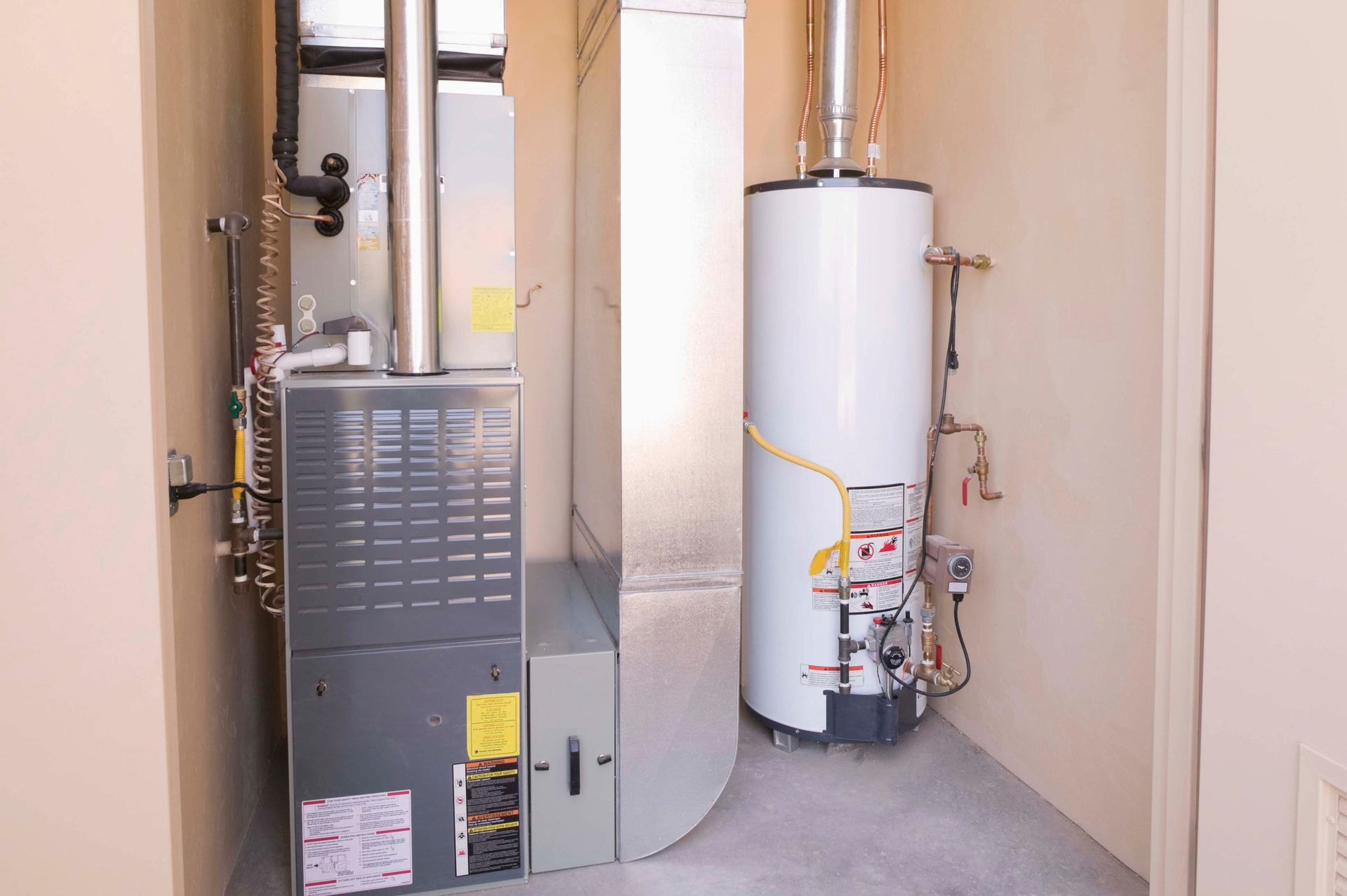
In contrast, tanked water heaters from a local plumbing supply store are generally easier and less expensive to install because they are the most common types and do not require special infrastructure modifications in most homes. They can hold up to 120 gallons of hot water, sufficient for peak usage periods in many households. Typically located in areas like basements or utility rooms, tanked systems need ample space for both the unit and its surrounding safety clearances. Installation involves connecting the unit to the home's water supply and ensuring proper ventilation for gas models. Despite these requirements, the absence of electrical or infrastructure modifications often leads to straightforward and cost-effective installations.
Maintenance is a crucial component of both tankless and tanked water heater ownership, impacting performance and longevity. Tanked models require regular inspections to prevent sediment build-up within the tank, which can reduce efficiency and lead to premature failure. This entails periodic flushing of the tank, often an annual task undertaken by professionals. Similarly, tankless units require regular maintenance to prevent mineral scale from accumulating within the heating elements. Despite these needs, tankless systems typically have lower maintenance costs over time, partly due to their longer lifespan and modern modular construction, which allows for easier part replacement and serviceability.
Cost Analysis
The initial cost of water heaters from a local plumbing supply store is a significant factor for most consumers, with tankless models generally more expensive than tanked systems. The advanced technology and components used in tankless units contribute to a higher purchase price. Additionally, potential upgrades to a household's electrical or gas infrastructure and professional installation fees can increase initial expenses. Conversely, traditional tanked heaters are less expensive upfront, making them an attractive option for budget-conscious buyers seeking immediate solutions. Nevertheless, while tanked heaters may save on initial expenses, their relatively lower efficiency can lead to higher utility costs in the long run.
While tankless water heaters come with higher initial costs, they can offer substantial savings over their operational life span due to their superior efficiency and longer life expectancy. These models significantly reduce energy bills by only heating water when necessary, lowering operational costs. Additionally, their durable design and the possibility of repairing individual components extend the unit's lifespan, minimizing the frequency and cost of complete replacements.
Ultimately, the choice between a tankless and a traditional tank water heater from a local plumbing supply store comes down to your priorities. If maximizing energy efficiency, reducing long-term utility costs, and embracing a more eco-friendly solution are at the top of your list, a tankless system may be the ideal investment.
If you’re unsure which option is right for your home, now is the perfect time to consult with a professional. An experienced technician can evaluate your current setup, recommend the most efficient solution, and ensure proper installation for optimal performance. Contact Larry's Plumbing Supply, a local plumbing supply store, today to explore your options and take the next step toward a more energy-efficient home.