April 10, 2026
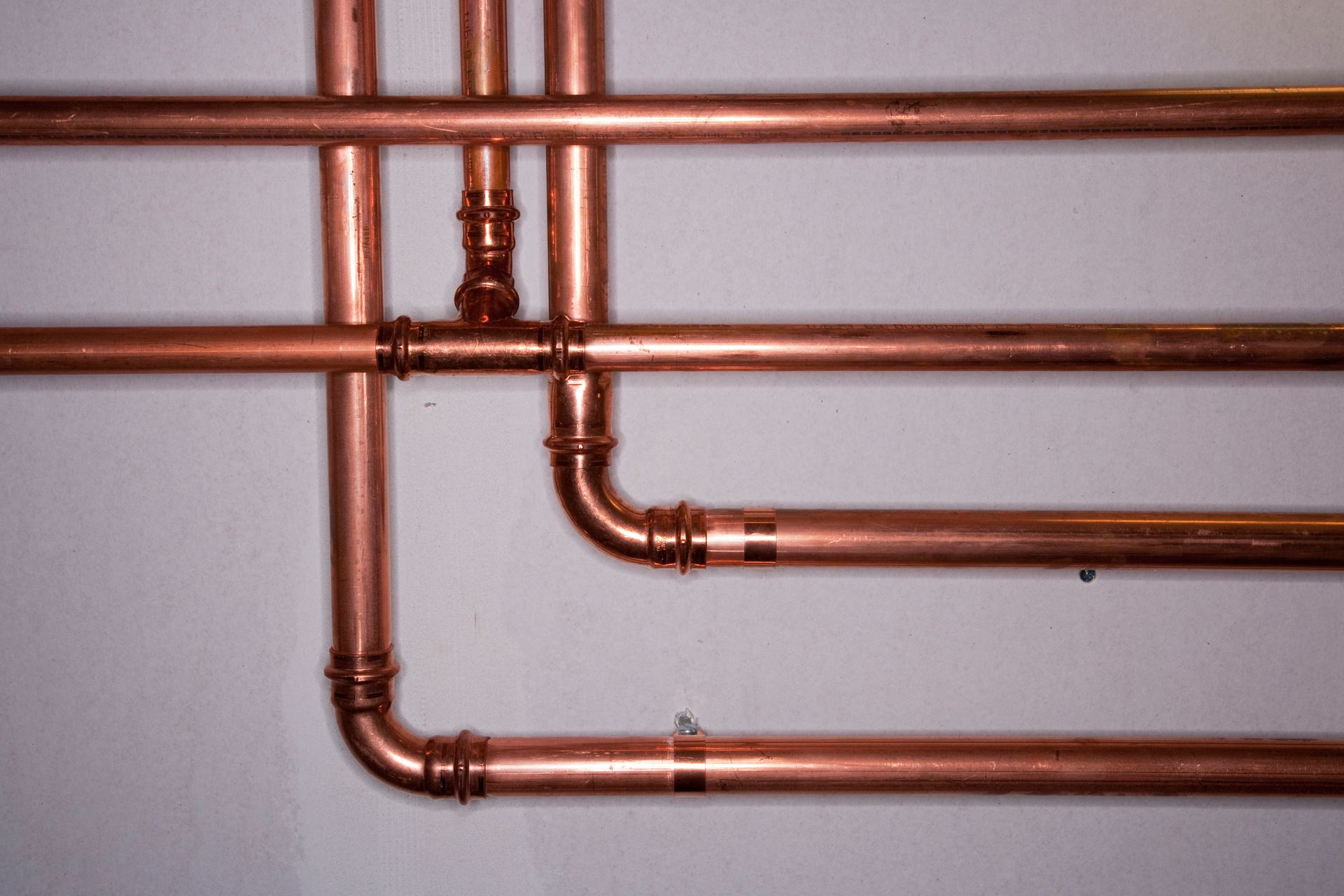
Discover the numerous advantages of using copper pipes in residential plumbing, and understand why they remain a popular choice for homeowners and builders alike. Copper pipes offer a range of benefits that extend from their durability to their environmental friendliness. Appreciated for their reliability and unmatched performance under various conditions, copper pipes continue to be a popular choice for those looking at the local plumbing parts store.
1. Durability of Copper Pipes
Copper pipes have earned a reputation for their exceptional durability, greatly attributed to their resistance to corrosion. This resistance provides a distinct advantage over other plumbing materials, which may degrade when exposed to moisture and various chemicals over time. The longevity of copper pipes is often highlighted as a key selling point; according to This Old House, copper pipes can last 50 years or more, making them a long-standing standard in the plumbing industry.
The longevity of copper pipes is further complemented by their capacity to perform well under extreme conditions. They are known for maintaining structural integrity despite exposure to high temperatures and varying pressures that could compromise lesser materials. Whether in commercial or residential settings, copper's robustness makes it an excellent candidate for areas prone to temperature fluctuations and demanding conditions. This durability under duress affords homeowners peace of mind and contributes significantly to copper's reputation as a dependable plumbing material.
Another aspect underscoring copper's durability is its impressive proven track record in the plumbing sector. Over decades, copper has consistently shown its resilience in water distribution networks, standing the test of time where other materials might fail. Copper's strength and flexibility allow it to resist cracking and breaking under duress, making it a practical choice for lasting installations and a frequent recommendation at your local plumbing parts store.
2. Safety and Health Benefits
Copper pipes offer significant safety and health benefits due to their inherent antimicrobial properties. This natural quality means that harmful bacteria are less likely to thrive and multiply within copper plumbing, a vital aspect considering the importance of maintaining water quality. Such antimicrobial attributes contribute to the assurance of safe, clean water being distributed throughout homes. Unlike some plastic pipes that can leach chemicals into water under certain conditions, copper remains stable, not contaminating the water supply.
Beyond antimicrobial advantages, copper's non-toxic nature further elevates its suitability for residential plumbing systems. Some plumbing materials, such as certain plastics, might emit toxins when exposed to heat or deteriorate over time, potentially compromising water safety. Copper, however, remains chemically inert, maintaining its integrity in diverse conditions. The safe water flow assurance provided by copper pipes ensures that residents can use water for drinking, cooking, and bathing with peace of mind.
Prevention of metal contamination in water systems is another significant health advantage of copper pipes. While certain metals can leach into water and pose health risks, copper's stable composition results in minimal metal shedding. As a building material, copper comfortably meets and often exceeds standards set by health regulations for plumbing materials. It is not prone to degradation that might otherwise result in impurities mixing with water. You can learn more about keeping your water pure by asking trained plumbers or checking your local plumbing parts store.
3. Efficiency and Performance
The thermal conductivity advantages of copper make it a preferred choice in ensuring efficient plumbing systems. Copper's ability to conduct heat efficiently ensures minimal energy loss when hot water is transported through pipes. This leads to an overall increase in system efficiency, saving energy and reducing utility expenses associated with heating water. Additionally, copper's superior pressure handling capability ensures a consistent and reliable water flow.
Copper's compatibility with various systems highlights its versatility in residential plumbing setups. Whether used in conjunction with newer technologies or integrated into older systems, copper performs optimally without requiring extensive modifications. This compatibility extends to the pipe's capacity to handle changes in water pressure and temperature with ease-factors which might present challenges to other materials. Furthermore, copper's quick heating and cooling response ensures that hot water needs are met promptly, improving user experiences and enhancing everyday comfort within homes.
The proven efficiency of copper pipes ensures that plumbing systems maintain top performance levels with minimal energy consumption. Compared to alternatives, copper offers superior pressure handling and heat transfer capabilities, reducing the demand on water heating systems. These performance traits offer savings on both short-term utility expenses and the long-term durability of water heating appliances. Consequently, investment in copper plumbing can translate into reduced operational costs and a smaller environmental footprint.
4. Environmental Impact and Sustainability
The recyclability and energy efficiency of copper contribute significantly to its appeal as an environmentally friendly plumbing option. Copper's highly recyclable nature reduces the demand for raw material extraction, decreasing the environmental impact associated with new production. Each time copper is recycled, it retains its value and effectiveness, promoting sustainability and reducing waste. Your local plumbing parts store may have a selection of both and recycled copper pipe options, allowing you to control your level of environmental friendliness.
Copper's contribution to green building standards emphasizes its minimal environmental footprint when compared to other plumbing materials. Its durability reduces the need for frequent replacements, limiting resource use over time. Unlike plastic pipes, which contribute to landfill volumes upon disposal, copper is actively recycled and reused. Such long-lasting materials foster a reduced demand for virgin resource consumption, aligning well with the principles of sustainability.
The sustainability of copper pipes extends beyond their production phase to their overall lifecycle contribution in residential settings. By reducing waste through long-lasting installations, copper serves both environmental and economic interests. The strength and durability inherent in copper mitigate the need for frequent material replacement, in stark contrast to less resilient alternatives. This extends beyond immediate cost savings to include substantially less production, transportation, and installation energy expenditure required over time.
5. Cost-Effectiveness Over Time
The initial investment in copper piping often appears higher than alternatives, but the long-term gains are significant. Due to copper's durability and low maintenance requirements, repair and replacement costs are greatly reduced over time. Homeowners benefit from fewer instances of pipe leaks and damages due to corrosion resistance and overall material strength. Coupled with the energy savings achieved from copper's efficient heat transfer abilities, the return on investment for copper plumbing is striking over a building's lifespan. Copper uniquely combines initial costs with many financial benefits derived from its longevity and efficiency.
Reduced repair and replacement costs reflect only a portion of the cost-effectiveness of copper in residential enactments. Energy savings due to efficient heat and pressure management contribute to lower utility bills in properties utilizing copper piping systems. Homes that maintain consistent water flow and pressure without unnecessarily high energy consumption foster a decrease in long-term operational expenses. Furthermore, copper's resilience plays into value addition to the property, often seen as a selling point in real estate transactions where longevity and maintenance are primary considerations.
The insurance and risk mitigation benefits provided by copper pipes offer additional cost benefits. With lower incidence rates of corrosion and leaks, copper pipes reduce the likelihood of sustained water damage claims, keeping insurance premiums manageable. For properties dealing with potential liabilities from plumbing mishaps, copper's reliability represents a substantial advantage. Reliability in adverse conditions means that owners face reduced risk of unforeseen costs, securing property investment.
From demonstrated durability to cost-effectiveness and remarkable environmental performance, copper emerges as a leading choice for builders and homeowners. Its extensive legacy backed by substantial benefits maintains copper's status as a preferential plumbing standard tailored to conscientious users. Reach out to your
local plumbing parts store and find copper pipes that work for your needs. If you have any additional questions, Larry's Plumbing Supply is here to help with your questions, comments, and concerns.