June 9, 2026
A bathroom renovation offers the perfect chance to upgrade your home. You can update fixtures, change the layout, and improve the overall design of your space. However, the hidden components behind your walls matter just as much as the visible tile and vanities. Before you break ground, you need to understand the basic materials required to make your new bathroom functional. Gathering the right plumbing supplies early will keep your project on track and prevent frustrating delays down the road.
The foundation of any successful bathroom remodel relies on high-quality components. From delivering clean water to removing wastewater, every single piece plays a vital role. Choosing durable materials ensures your new bathroom remains free of leaks and water damage for decades. This guide breaks down the four core categories of materials you'll need to consider. Understanding these components helps you make informed decisions when planning your renovation budget and timeline.
1. Pipes and Tubing: The Backbone of Your Water Supply and Drainage
Water delivery and waste removal start with your pipes. These long hollow cylinders act as the highway system for your entire bathroom. Modern residential projects typically rely on a few common materials for this task. PEX and copper stand out as the top choices for freshwater delivery. PVC and ABS plastics dominate the drainage side of the equation. Each material offers specific benefits depending on your budget and local building codes. You'll want to review your local requirements before purchasing anything.
Your home might still rely on older metallic pipes if you live in a historic neighborhood. Upgrading to modern materials during a renovation often saves you from future headaches. However, older metals do have an impressive lifespan when maintained well. According to This Old House, cast iron, brass, and galvanized steel last up to 100 years. If your home has these materials in good condition, you might only need to tie into them rather than replace everything completely.
Knowing which pipes to buy requires careful planning and measurement. You must calculate the exact length required for your sinks, showers, and toilets. Buying your plumbing supplies in bulk often saves money on large renovations. Always purchase a little extra tubing to account for cutting errors or minor layout adjustments. Having extra length on hand ensures your plumber can finish the job without running back to the hardware store for missing pieces.
2. Fittings and Connectors: The Joints That Secure Your System's Layout
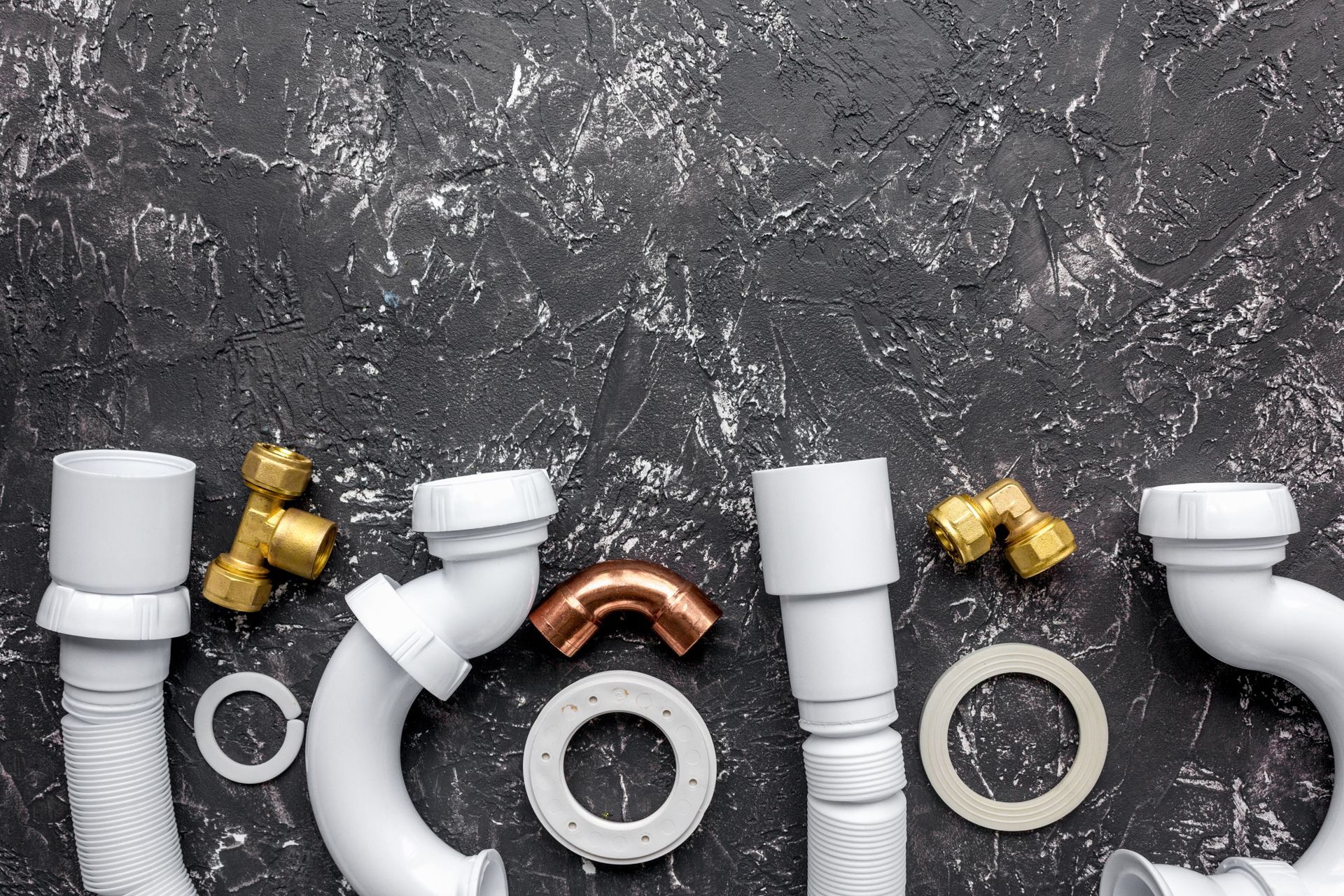
Pipes can't bend sharply without restricting water flow or breaking. That is why your list of plumbing supplies must include a wide array of fittings and connectors. These small components link straight pieces of tubing together to navigate around studs and joists. Common examples include elbows, tees, couplings, and reducers. Without these vital connectors, your water system could never reach your new shower head or bathroom sink. You simply can't build a functional network without them.
The type of fitting you need depends entirely on the pipe material you chose. Copper requires copper fittings joined by soldering. PEX tubing uses specialized crimp rings or push-to-connect fittings. PVC pipes rely on solvent cement to melt the plastic pieces together permanently. Matching the correct connector to the pipe material prevents catastrophic blowouts behind your drywall. An incorrect connection will fail and cause massive water damage to your home.
Navigating the fitting aisle at a home improvement center can feel overwhelming. You'll see hundreds of small bins filled with different sizes and angles. Take a detailed schematic of your bathroom layout with you when you shop. A well-planned list helps you grab the exact 90-degree elbows and transitions you need. Planning your connections step by step keeps your water lines organized and efficient. It also prevents you from buying parts you don't need.
3. Valves and Shut-Off Controls: The Regulators for Flow and Pressure
Controlling the water entering your bathroom is a critical safety measure. Valves give you the power to stop water flow instantly during an emergency. Every single fixture in your new bathroom needs a dedicated control point. You'll install these stops on the hot and cold lines beneath your sink and behind your toilet. Shower systems use a different type of control housed behind the wall to mix hot and cold water together.
Quarter-turn ball valves have become the standard for modern residential construction. They feature a simple lever mechanism that operates smoothly and rarely jams. Older multi-turn valves often corrode over time and fail to close completely. Investing in quality metal valves from your local plumbing supplies vendor guarantees reliable performance when you need it most.
Valve installation requires precision and care. They act as the transition point between your rough piping and your elegant fixtures. A poorly installed stop valve will drip constantly and ruin your vanity base. Plumbers always emphasize securing these components tightly to the wall framing. Solid mounting prevents the controls from shifting or rattling when you turn the water on and off. You'll appreciate the stability when connecting your final hoses.
4. Gaskets and Seals: The Small Essentials That Prevent Major Leaks
The final barrier against water damage comes down to tiny rings of rubber and wax. You can buy the most expensive plumbing supplies available, but they won't work without proper seals. Gaskets provide a watertight cushion between two hard surfaces. They compress when tightened to fill microscopic gaps where water could escape. You'll find these crucial items in drain assemblies, toilet bases, and shower heads. Overlooking them leads to guaranteed leaks.
The wax ring beneath your toilet represents one of the most important seals in your entire home. It blocks sewer gases and prevents wastewater from rotting your bathroom floor. Modern alternatives include rubber and flexible foam rings. Sink drains rely on slip joint washers and plumber's putty to keep water in the basin. Each type of seal is engineered for a specific temperature and pressure range to ensure longevity.
Never reuse an old gasket or seal during a bathroom renovation. Rubber degrades, hardens, and flattens out over the years of use. A used seal will almost always leak when subjected to new pressure. Spending a few extra dollars on fresh washers protects your expensive tile and drywall investments. Keep an assortment of standard rubber rings in your toolkit so you're always prepared to make a watertight connection. It's a small price for peace of mind.
A successful bathroom remodel requires much more than picking out beautiful tile and paint colors. The functionality of your space depends heavily on the hidden infrastructure. Understanding pipes, fittings, valves, and seals empowers you to make better choices for your home. High-quality materials installed correctly ensure your new bathroom performs flawlessly for decades. You'll rest easy knowing the water system behind your walls is secure and robust.
Organizing your materials beforehand sets the stage for a smooth installation process. Keep your inventory organized and double-check your measurements before making cuts. Sourcing your plumbing supplies early prevents mid-project delays and keeps your plumber working efficiently. With the right components in hand, your bathroom renovation will transform from a stressful construction site into a beautiful and functional retreat.
Stop by Larry's Plumbing Supply today to gather all the plumbing supplies you need for a successful bathroom renovation.